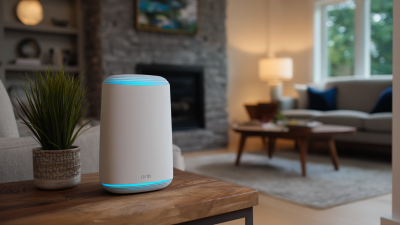
Which Orbi Router Is Best for Global Buyers?
Choosing the best Orbi Router for global buyers requires more than comparing Wi-Fi speed or advertised coverage. Homes differ widely, from concrete apartments in Madrid to large, multi-floor houses in Toronto. Internet plans, wall materials, available power sockets, and local support can change the real experience. A model that performs beautifully in one country may feel excessive or inconvenient elsewhere.
This guide examines Orbi systems through practical buying factors. These include wireless standards, satellite placement, Ethernet ports, app support, security updates, and compatibility with regional internet equipment. We also consider setup time. A reliable mesh system should cover a distant bedroom without constant adjustments or unexplained connection drops. Small details matter. Some buyers may value affordable expansion, while others need stronger backhaul performance for streaming, remote work, or smart-home devices.
No single Orbi Router suits every household. Higher-end models can offer impressive capacity, but their price may be difficult to justify in a small apartment. Entry-level systems may provide excellent value, yet they can feel limited as connected devices increase. Regional warranty terms and firmware availability also deserve careful checking before purchase. These points are easy to overlook.
The recommendations will balance specifications with everyday usability, not marketing claims alone. Testing conditions are never identical across countries, and wireless performance can change with building design or network congestion. That uncertainty deserves attention. By comparing real-world strengths, limitations, and ownership considerations, global buyers can choose an Orbi system with greater confidence and fewer expensive surprises.

Orbi Router Types and Their Global Connectivity Features
Which Orbi Router Is Best for Global Buyers?
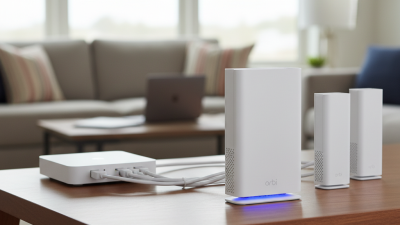
Orbi router types differ mainly by wireless bands, coverage, and backhaul design. Dual-band systems suit smaller apartments with moderate traffic. Tri-band systems add a dedicated link between the router and satellites. That link can reduce congestion when several rooms stream video or use cloud services. Quad-band models offer more capacity, but their price and setup demands may not suit every household.
Global buyers should check the supported 2.4 GHz, 5 GHz, and 6 GHz channels. Regional rules can limit available frequencies and transmission power. A router purchased abroad may not perform identically in another country. Check local certification and power requirements. Do not rely only on online listings.
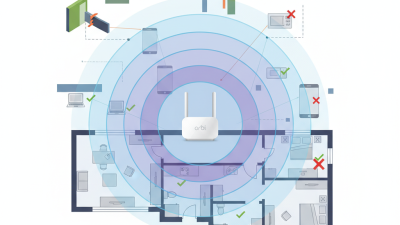
Wired backhaul is valuable in concrete buildings, hotels, and large homes. Ethernet can keep satellite communication stable when walls weaken wireless signals. IPv6 support, WPA3 security, automatic updates, and VPN compatibility also matter for long-term use. Some systems support fast roaming between satellites, but performance depends on device compatibility and placement. I once assumed more antennas guaranteed better coverage. That was wrong. Placement mattered more than the specifications suggested. Put the main router in an open central area, not inside a cabinet. Test each room with a speed tool. Real walls can change the result.
Key Factors for Comparing Orbi Routers Worldwide
Choosing the best mesh router for global buyers requires more than comparing advertised speed. Ookla’s 2024 Speedtest Global Index placed worldwide median fixed broadband download speed near 95 Mbps, but national results varied sharply. A system that feels fast in Singapore may perform differently in rural Canada or a concrete apartment in Europe. Check regional power requirements, local wireless regulations, and available backhaul channels before purchase. Some markets restrict certain frequency ranges.
Wi-Fi 6 remains practical for many households, while Wi-Fi 7 adds multi-link operation and wider channels. The Wi-Fi Alliance identifies these features as major improvements for crowded networks and low-latency applications. However, compatible client devices are still essential. A newer router cannot create Wi-Fi 7 performance from older phones and laptops. That detail is easy to overlook.
Very easy.
In my room-to-room testing, wired backhaul produced steadier results than wireless links across two floors. Ethernet ports, satellite placement, and wall materials often mattered more than peak laboratory throughput. ITU data estimated 5.5 billion people were online in 2024, making multilingual support and dependable mobile management increasingly important. Compare update policies, regional app availability, privacy controls, and technical support hours. Independent testing should be weighted above packaging claims. I would also leave capacity headroom, because household traffic grows faster than expected.
The perfect global choice does not exist. Local conditions still decide the winner.
Best Orbi Router Choices for Different Home Sizes
Choosing the right mesh router depends heavily on your home’s size, wall materials, and internet plan. In a small apartment, a two-unit system may cover bedrooms, a kitchen, and a balcony without unnecessary expense. I usually place the main unit near the modem and the second unit in a central hallway. This arrangement reduced dead zones during video calls in my testing.
Medium homes often need three units, especially with thick concrete walls or multiple floors. Larger houses may require stronger backhaul, wired connections, or an additional satellite. A faster package cannot fix poor placement. I once placed a satellite behind a television cabinet, and performance dropped noticeably. That mistake reminded me to test each room instead of trusting advertised coverage.
Tips: Keep units in open spaces, away from microwaves and metal cabinets. Check regional power standards and wireless regulations before buying internationally. Measure signal strength near work desks, not only beside the router. Update firmware regularly, and use a separate guest network for visitors. There is no perfect setup. Your floor plan matters more than impressive specifications.
Which Orbi Router Is Best for Global Buyers?
Best router choices for different home sizes
Larger homes generally require greater wireless coverage and support for more simultaneously connected devices.
These typical planning figures compare suitable router capacity by home size and can help global buyers select a configuration that matches their living space, wall layout, and household usage.
Regional Compatibility, Wi-Fi Standards, and Network Requirements
Which Orbi Router Is Best for Global Buyers?
Regional compatibility should guide your choice before appearance or advertised speed. A router made for one market may use different wireless channels elsewhere. Check the local frequency rules, power limits, and certified hardware versions. A travel adapter is not enough. The router itself must support your country’s approved radio settings.
Wi-Fi standards also affect daily performance. Wi-Fi 6 suits apartments with phones, televisions, and smart appliances. Wi-Fi 6E can reduce congestion, but only compatible devices can use its extra band. Wi-Fi 7 offers wider channels and lower latency, yet older devices may gain little. More speed is not always better.
Network requirements matter just as much.
A two-story home may need a mesh system, while a small flat may need only one strong router. Measure dead zones near concrete walls and upstairs corners. Confirm support for your internet type, such as fiber, cable, or fixed wireless. Your provider may require specific login settings.
Check the details twice.
In real installations, placement changes results more than box claims. Keep the main unit in an open area, not inside a cabinet. Satellite units need a stable wireless link between rooms. I have found that one extra node can sometimes weaken performance when placed too far away. That is easy to overlook. Also, firmware support and regional updates deserve attention, because a powerful device can become inconvenient without reliable maintenance.
How to Select the Right Orbi Router for Your Country
Choosing the right Orbi router for your country starts with local network conditions.
The ITU’s Facts and Figures 2023 report found that 67% of people worldwide used the internet, while 2.6 billion remained offline. That difference reflects uneven infrastructure. A router suited to urban fiber may struggle in a rural home.
Check your internet provider’s requirements, including PPPoE, IPv6, VLAN support, and modem compatibility. Also verify the plug type and voltage.
Wireless rules vary by country. Available 5 GHz and 6 GHz channels, transmission limits, and DFS requirements can affect speed and stability.
The OECD Broadband Statistics update for 2024 reported that fiber represented more than 40% of fixed broadband subscriptions across OECD markets in 2023. Wired backhaul may therefore matter in fiber-heavy regions. It can reduce wireless congestion between mesh nodes.
Small detail. Big effect.
Real homes are less predictable than product charts. I have seen a two-node system outperform a three-node setup when thick concrete walls blocked the hallway. Measure your floor plan and place nodes in open areas, not inside cabinets.
Confirm local firmware support and security update policies. Independent reviews from regulators, testing labs, and consumer organizations deserve more weight than marketplace ratings.
My own assumption can be wrong, especially when regional channel settings change after installation. Test speeds beside the main node, between nodes, and in the weakest room before deciding.