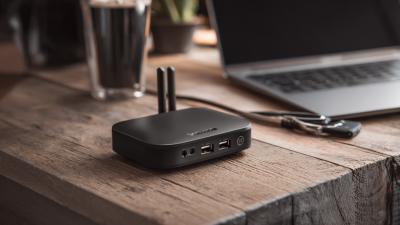
Top 10 Travel Routers: Stay Connected Anywhere with Fast Internet!
In an increasingly interconnected world, the ability to stay online while traveling is not just a luxury but a necessity. According to a recent report by the International Telecommunication Union (ITU), over 4.9 billion people worldwide are now internet users, demonstrating a growing dependency on connectivity for both personal and professional needs. As travelers seek to work remotely, stay in touch with loved ones, or simply navigate new destinations, the demand for reliable internet access has surged. This has paved the way for innovations in mobile technology, particularly the travel router, a compact device designed to provide fast and secure internet connections on the go.
The travel router has become an indispensable tool for modern travelers, enabling them to create a personal Wi-Fi network from available cellular data or other internet sources. Industry studies indicate that nearly 60% of travelers now prioritize Wi-Fi availability when choosing accommodations, highlighting the importance of staying connected. Furthermore, a survey by the Global Business Travel Association (GBTA) states that 80% of business travelers consider internet accessibility a critical component of their travel experience. As we delve into the top 10 travel routers available on the market today, it is essential to consider their features, performance, and how they can enhance the overall travel experience by ensuring seamless connectivity wherever adventure leads.

Understanding Travel Routers: What They Are and How They Work
Travel routers are essential devices for anyone looking to maintain a reliable internet connection while on the go. These compact gadgets enable users to create a personal Wi-Fi network from a variety of internet sources, such as hotel Ethernet connections, public Wi-Fi hotspots, or even a mobile data connection. By transforming wired or public connections into a secure Wi-Fi signal, travel routers allow multiple devices to connect simultaneously, making them indispensable for business travelers and vacationers alike.
When using a travel router, keep in mind a few tips for optimal performance: First, always ensure that firmware is up to date to benefit from the latest security updates and features. Second, consider the range and portability of the router; lightweight models are ideal for travelers who prioritize space in their luggage. Finally, enabling a good password and using a VPN can significantly improve your online security, protecting your data from potential threats while using unsecured networks.
Understanding how travel routers work is key to maximizing their benefits. Typically, they connect to an existing Wi-Fi network or Ethernet line and create a new, secure network for your devices. Many offer advanced features like guest networks, which allow you to share your connection without exposing your personal information, and bandwidth controls, ensuring that your streaming or video calls run smoothly even when multiple devices are connected.
Key Features to Look for in a Travel Router
When selecting a travel router, key features can significantly enhance your connectivity experience while on the go. One of the most essential aspects is speed and performance. According to a recent industry report from the Wi-Fi Alliance, nearly 70% of travelers prioritize internet speed as a critical factor during their trips. A good travel router should support dual-band frequencies (2.4 GHz and 5 GHz) to ensure better performance in various environments, whether you’re at a coffee shop in Paris or a hotel in Tokyo. Additionally, routers that support the latest Wi-Fi standards, such as Wi-Fi 6, can provide up to 40% faster speeds and improved capacity, accommodating multiple devices without lag.
Another vital feature is security. As more than 50% of travelers frequently connect to public Wi-Fi networks, the risk of data breaches is significant. Look for travel routers with robust security protocols like WPA3 and built-in VPN capabilities, which can encrypt your connection and protect sensitive information. A study from Cybersecurity Insiders indicates that 80% of remote workers employ some form of VPN for enhanced online security, highlighting its importance for travelers too. Furthermore, compact and lightweight designs are crucial for maintaining portability, ensuring that your router can seamlessly fit into your travel gear without adding bulk. These features combined create a reliable and efficient travel router that meets the demands of today’s globetrotters.
Top Travel Router Brands and Models on the Market
When selecting a travel router, it's essential to consider the leading brands and models currently available on the market. Many popular brands have established a reputation for reliability and performance, offering devices designed specifically for travelers who need a secure and fast internet connection regardless of their location. These manufacturers emphasize portability, battery life, and ease of use, ensuring that you can stay connected during your adventures.
Popular models often include features such as dual-band Wi-Fi, multiple connection options, and robust security protocols to protect your data while connected to public networks. Additionally, some travel routers come with built-in VPN capabilities to enhance privacy, making them ideal for users who value secure browsing. With a variety of choices available, it's crucial to assess each option based on personal travel habits and connectivity needs to find the perfect travel router that will keep you connected on your journeys.
Setting Up Your Travel Router for Seamless Connectivity
Setting up your travel router for seamless connectivity can significantly enhance your travel experience. The first step in this process involves selecting the right travel router that suits your needs. Look for a compact and lightweight model that supports multiple connections, allowing you to connect your smartphone, tablet, and laptop simultaneously. Once you have your travel router, familiarize yourself with its user manual to understand its features and settings before embarking on your journey.
When you arrive at your destination, connecting your travel router to local Wi-Fi networks is crucial. Most routers have user-friendly interfaces that make the setup straightforward. Simply find the available networks, select the one with the best signal, and input any required passwords. Once connected, you may need to configure the router settings to ensure a secure and stable connection. Make sure to enable encryption protocols to protect your data while browsing. Additionally, consider adjusting the bandwidth and connection settings based on your usage needs, whether streaming videos or browsing social media. This proactive setup will help you stay connected without interruptions, allowing you to focus on enjoying your travels.
Tips for Maximizing Speed and Performance While Traveling
When traveling, staying connected to reliable and fast internet can dramatically enhance your experience. According to a report by the International Telecommunication Union (ITU), over 53% of the global population has access to the internet, but connectivity can be inconsistent, especially in remote areas. To maximize your travel router’s speed and performance, there are several strategies you can adopt.
Firstly, choose a router with dual-band or tri-band capabilities. These routers can operate on multiple frequencies, reducing congestion and improving connection speeds. Research from the Federal Communications Commission (FCC) indicates that utilizing the 5 GHz band can provide faster data rates and less interference compared to the 2.4 GHz band, particularly in crowded environments like airports and hotels. Additionally, keep your firmware updated; several studies show that manufacturers often release updates to enhance security and performance, which can also lead to better connectivity while on the go.
Another essential tip is to optimize your location when setting up your router. The positioning of your router can significantly affect signal strength. A study by the Institute of Electrical and Electronics Engineers (IEEE) found that placement in an elevated, central location can enhance signal distribution and minimize dead spots. Furthermore, avoiding physical obstructions, such as walls or furniture, can help maintain optimal performance. By carefully considering these factors, travelers can ensure a more reliable and fast internet connection, making it easier to stay connected no matter where their adventures take them.
Top 10 Travel Routers: Speed and Performance Comparison
This chart illustrates the maximum speeds of the top 10 travel routers based on evaluations of their performance. The data shows that Router H offers the highest speed at 240 Mbps, making it an ideal choice for travelers looking to stay connected with fast internet.