How to Choose High-Performance Routers for Your Business?
In today's digital age, selecting High-Performance Routers is crucial for business success. A report by the International Data Corporation (IDC) predicts that network traffic will grow by 30% annually. This growth demands superior routing technology to handle increased data loads. David White, a network infrastructure expert, asserts, "Businesses need routers that not only handle high speeds but also ensure reliable connectivity."
The choice of High-Performance Routers can significantly impact operational efficiency. Many organizations struggle with network bottlenecks. These challenges often stem from inadequate hardware, leading to poor productivity. A well-chosen router can provide the necessary bandwidth, enhance security, and improve overall performance.
However, not all High-Performance Routers are created equal. Some may promise high speeds but fall short in reliability. A router's specs must align with your business needs. Understand your requirements and assess options carefully to avoid costly mistakes. A router with the wrong features can hinder growth rather than support it.

Identifying Business Needs for High-Performance Routers
When selecting high-performance routers for your business, identifying specific needs is crucial. Start by assessing the size of your operation. More devices require more bandwidth. Consider the types of activities your team engages in. Video conferencing and large file transfers demand better performance.
Evaluate the network layout as well. A large office might need multiple access points. This helps to avoid dead zones. Think about cybersecurity needs as well. Some routers offer advanced security features. This can protect sensitive data from threats.
Monitoring your current performance can also guide your choice. If slow internet speeds hinder productivity, it’s time to look for an upgrade. Gather feedback from employees about their experience. Understanding pain points can lead to a more effective router selection. Each business is unique. Tailor your choice to fit your specific requirements. Always be open to reassessing needs as your business evolves.
Key Features to Look for in High-Performance Routers
When selecting a high-performance router for your business, specific features matter. Look for dual-band or tri-band capabilities. These routers can separate traffic efficiently, reducing congestion during peak times. They help maintain speed, even when multiple devices are connected.
Another essential feature is Quality of Service (QoS) settings. QoS allows you to prioritize bandwidth for critical applications. This is especially beneficial during important meetings or when running time-sensitive tasks. Additionally, consider the router's security features. Look for WPA3 encryption to protect your sensitive data from threats.
Lastly, pay attention to coverage range. A router with strong antennas or mesh capabilities ensures connectivity throughout your office space. However, be aware that physical barriers like walls can affect performance. You might need to reposition the router or add nodes to improve coverage. Reflecting on your specific needs will guide you in choosing the right router, making your business operations smoother and more efficient.
Evaluating Internet Speed and Bandwidth Requirements
When evaluating internet speed and bandwidth requirements for your business, start by analyzing your daily operations. Consider how many devices are connected to the network simultaneously. A company with 50 devices will require a different bandwidth than one with 10. Each employee's tasks can impact speed, too—video conferencing and large file uploads consume more bandwidth.
Next, think about future growth. Will your business expand? If you plan to add more employees or increase online services, factor in these changes. A scalable solution is beneficial, but overestimating required bandwidth can lead to unnecessary costs. Assess your peak usage times, as demand can fluctuate throughout the day.
Monitoring internet performance is essential. Tools that track speed and bandwidth usage can reveal patterns. Regularly reassessing needs ensures that your business remains efficient. It's okay to feel uncertain when predicting future requirements. Adapting as you grow is part of the process. Finding the right balance between current demands and future needs is key to maintaining a high-performance network.
Understanding Security Features in Business Routers
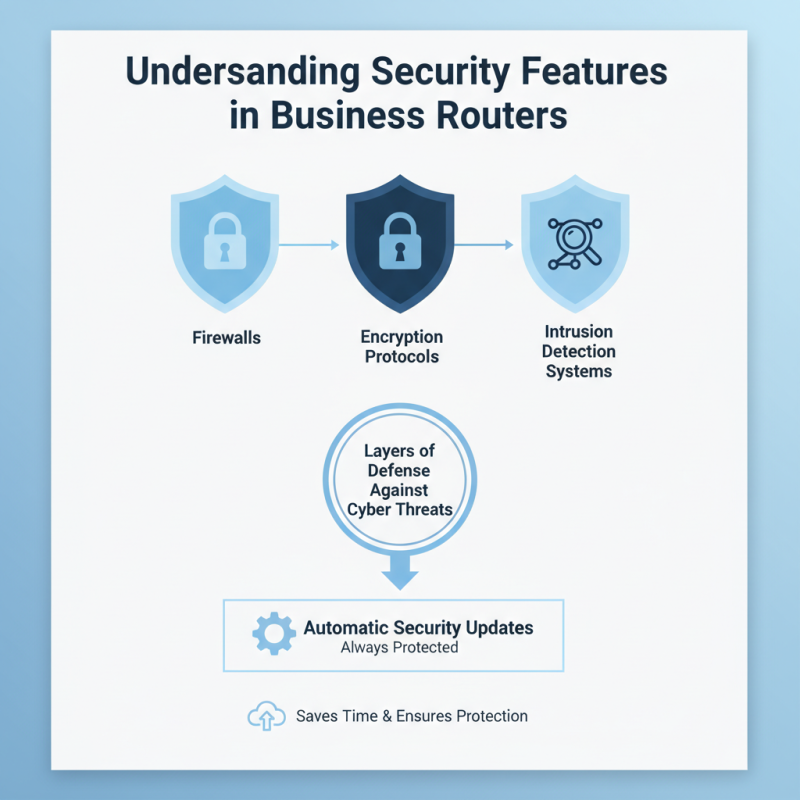
When selecting routers for your business, security should be a top priority. A high-performance router must offer robust security features to protect sensitive data. Firewalls, encryption protocols, and intrusion detection systems are essential. These features create layers of defense against cyber threats. Consider routers with automatic security updates. This can save time and ensure protection against the latest vulnerabilities.
Another critical aspect is user access control. A router that allows you to manage who can connect is vital. This is especially important in workplaces with multiple employees. Implementing guest networks can keep your main network safe. Monitor the network activity regularly to identify unusual patterns. This can highlight potential breaches or unauthorized access.
While many routers offer these features, it's essential to evaluate them based on your specific needs. Not all businesses are the same, and some may require more advanced solutions. Be cautious about overly complex systems that may lead to confusion or mismanagement. Prioritize simplicity without sacrificing security to maintain a safe operating environment.
Comparing Costs and Return on Investment for Routers
When selecting a router for your business, considering costs and returns is essential. High-performance routers typically come with a higher price tag, but they can improve productivity. Assess your current network demands and anticipate future growth. This foresight helps determine whether investing in a premium router is justified.
Tips: Analyze your
bandwidth needs and the number of connected devices. Routers with advanced features may seem like a wise choice, but they might introduce complexities. Regular updates and support are also crucial. Evaluate these aspects to ensure your router remains efficient over time.
Keep in mind the total
cost of ownership. Initial purchase price is just one part of the equation. Maintenance, energy consumption, and potential downtime also play significant roles. Calculate these factors to get a clearer picture of your router’s return on investment.
Tips: Consider energy-efficient models that lower operational costs. Research installation and support costs as well. A more expensive router can save money in the long run through better efficiency and reliability. Reflect on whether your choice aligns with your actual needs. Balancing performance with budget constraints is often challenging yet vital.