How to Choose the Best Portable Router for Global Travel?
Traveling globally requires seamless internet connectivity. A Portable Router can be a game-changer. Sarah Johnson, a tech expert at ConnectWise, once said, “A good Portable Router makes travel more enjoyable and productive.” This emphasizes the importance of reliable internet access.
Choosing the right Portable Router is crucial. Many options are available, each with unique features. Some may have longer battery life, while others focus on speed. Travelers often overlook data plans, which can lead to unexpected charges. Selecting the best device requires understanding your needs.
Accessibility and speed play significant roles. Weak signals can frustrate travelers. A Portable Router should provide robust connectivity. However, balancing quality and price can be challenging. It’s essential to research and read user reviews. Focusing on your priorities ensures you find the right match.
Understanding Your Travel Connectivity Needs
Choosing the right portable router starts with understanding your connectivity needs. Think about how often you travel and the countries you visit. Different regions have different network types and frequencies. A router that works in Europe may not function in Asia. It's crucial to know where you plan to connect.
Consider the number of devices you’ll connect. A router that can handle only a few devices might not be sufficient for a family or a group. Look for features like dual-band frequencies, as they can improve your connection stability. Battery life is another vital aspect. Some routers drain quickly, leaving you without internet when you need it most.
Reflect on your daily needs as well. If you primarily use email and social media, you might not need advanced features. On the other hand, frequent video calls require a stronger signal. A portable router that matches your usage will enhance your travel experience. Sometimes, less is more.
Key Features to Look for in Portable Routers
Choosing a portable router for global travel involves key features that enhance connectivity and user experience. First, consider compatibility with various networks. A dual-band router supports both 2.4 GHz and 5 GHz frequencies. This flexibility is crucial as different countries may prioritize different bands. According to a study by the International Telecommunication Union, countries vary in their Wi-Fi band utilization, affecting overall speed and access.
Next, battery life is a critical aspect. A long-lasting battery allows for uninterrupted use. Aim for models that offer at least 10 hours of operation on a single charge. This need is backed by a survey from Statista, which indicates that 35% of travelers prioritize battery life when selecting tech for trips. Additionally, compact design matters. A lightweight and portable router easily fits into a backpack or pocket, making it an essential companion.
Lastly, assess security features. Public Wi-Fi networks can pose significant risks. Look for routers that offer VPN support and robust encryption standards like WPA3 to help protect sensitive information. A report by Cybersecurity Ventures projects that cybercrime will cost the economy $10.5 trillion annually by 2025, highlighting the importance of secure connections while traveling. Balancing these features ensures you stay connected and protected on the go.
Key Features Comparison of Portable Routers for Global Travel
Comparing Different Types of Portable Routers
When selecting a portable router for global travel, understanding the different types available is crucial. Travel routers generally fall into three categories: mobile hotspot devices, travel routers with Ethernet ports, and those that can function as range extenders. Each type caters to varying connectivity needs. For instance, mobile hotspots often support multiple devices and provide 4G/5G data access, which is essential in remote areas. According to industry reports, the global mobile hotspot market is projected to grow by 12% annually, reinforcing their importance for travelers.
Travel routers with Ethernet ports offer versatility by connecting to fixed networks in hotels or cafes. This is beneficial for users with specific security needs, as wired connections generally offer better security. Reports indicate that 70% of travelers prioritize internet security when choosing a router, highlighting the need for reliable alternatives. Range extenders are suitable for amplifying weak signals, though they might not always bridge the gap in environments with numerous obstacles. This is a common pitfall where users expect optimal performance without understanding physical limitations.
Overall, the decision boils down to one's travel habits and internet usage. Sometimes, users may discover that their expectations do not align with the performance levels of these devices. Recognizing these nuances can significantly enhance the travel experience. Making the right choice is not just about technology, but understanding practical use cases.
How to Choose the Best Portable Router for Global Travel? - Comparing Different Types of Portable Routers
| Router Type |
Battery Life |
Simultaneous Connections |
Weight |
Price Range |
| Mobile Hotspot |
8-12 hours |
5-10 devices |
150g |
$50 - $150 |
| Travel Router |
12-20 hours |
10-15 devices |
200g |
$30 - $90 |
| Wi-Fi Adapter |
N/A |
N/A |
100g |
$10 - $40 |
| Pocket Router |
6-10 hours |
3-8 devices |
180g |
$40 - $120 |
Assessing Battery Life and Portability
When choosing a portable router for global travel, battery life and portability are key factors. A router with a long-lasting battery ensures you stay connected during long flights or remote excursions. Look for models that offer at least 12 hours of battery life. Many portable routers are compact, fitting easily into a backpack or purse. This lightweight design allows you to carry them without added bulk.
Think about how you will use your router. If you often travel to areas with limited power outlets, consider a model with a removable battery. This way, you can carry a spare for emergencies. Portability is not just about size; it’s also about how easily the device can be set up. Some routers require complex configurations, while others offer simple plug-and-play solutions.
Testing the router’s performance in various settings is crucial. Some models may struggle with signal strength in crowded places. Others may overheat during extended use. Reflect on your previous experiences with travel gadgets. If a gadget wasn’t reliable, ask yourself why. Choosing the right router demands both research and personal reflection on what works for your travel style.
Tips for Managing Costs When Choosing a Router for Travel
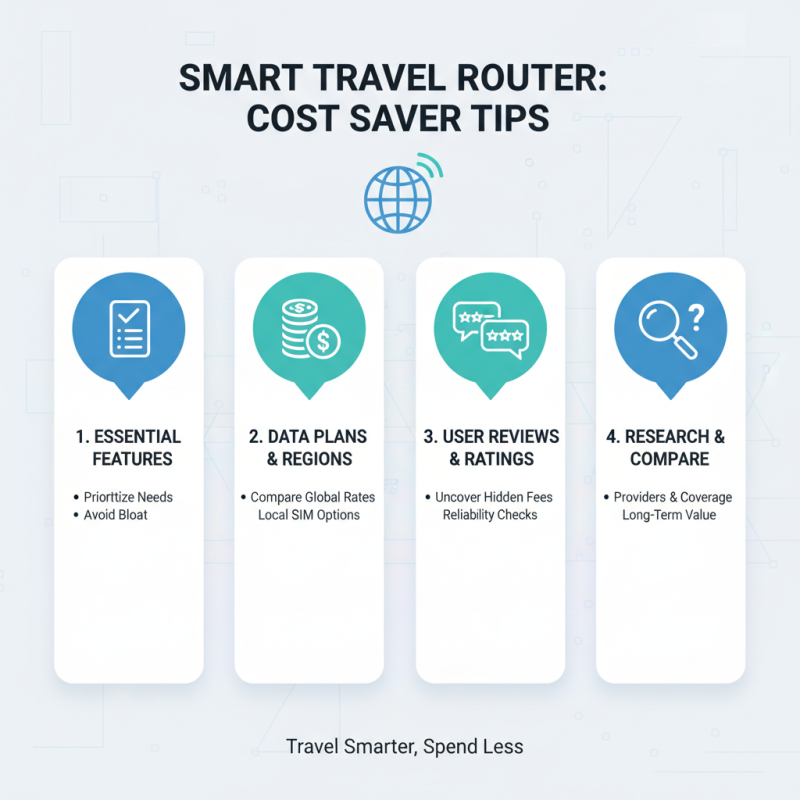
When selecting a portable router for global travel, managing costs is a crucial aspect. Look for features essential to your use case. Data plans can vary significantly by region, affecting overall expenses. It’s wise to compare costs across different service providers before your trip. Take time to examine user reviews and ratings, as they often reveal hidden costs associated with various routers.
You might encounter tempting low-cost options, but they may lack reliability. Make sure the router offers robust performance to avoid issues while on the road. Hidden costs, such as high roaming fees or data overages, can quickly add up. Check if the router supports different network types to help manage these expenses better. You might think the cheapest choice is the best, but sometimes investing a little more can save money in the long run.
Consider data-sharing options with fellow travelers or family. This can significantly lower costs. Evaluate rental versus purchase options as well. Sometimes, renting a router for a short duration is more cost-effective than buying. Each traveler’s needs differ, so reflect on your own past experiences to make a choice that aligns with your budget and connectivity needs. Ultimately, the goal is to find a balance between cost and functionality.