How to Choose the Best High Speed Router for Your Needs?
Choosing the best High Speed Router can seem overwhelming. With so many options available, how do you make the right choice? A High Speed Router is crucial for multiple devices working simultaneously. It enhances streaming, gaming, and browsing experiences.
Consider the speed requirements of your household. If you have a large family that streams movies and plays online games, a powerful router is essential. Look for models that support dual or tri-band frequencies. These can better handle various activities without slowing down.
However, don’t overlook the importance of budget. High-end routers come with advanced features, but they may not be necessary for everyone. Think about what you truly need. Whether you require extensive coverage or strong security features, these factors will influence your decision. Striking a balance between features and price can be challenging but rewarding.
Factors to Consider When Choosing a High-Speed Router
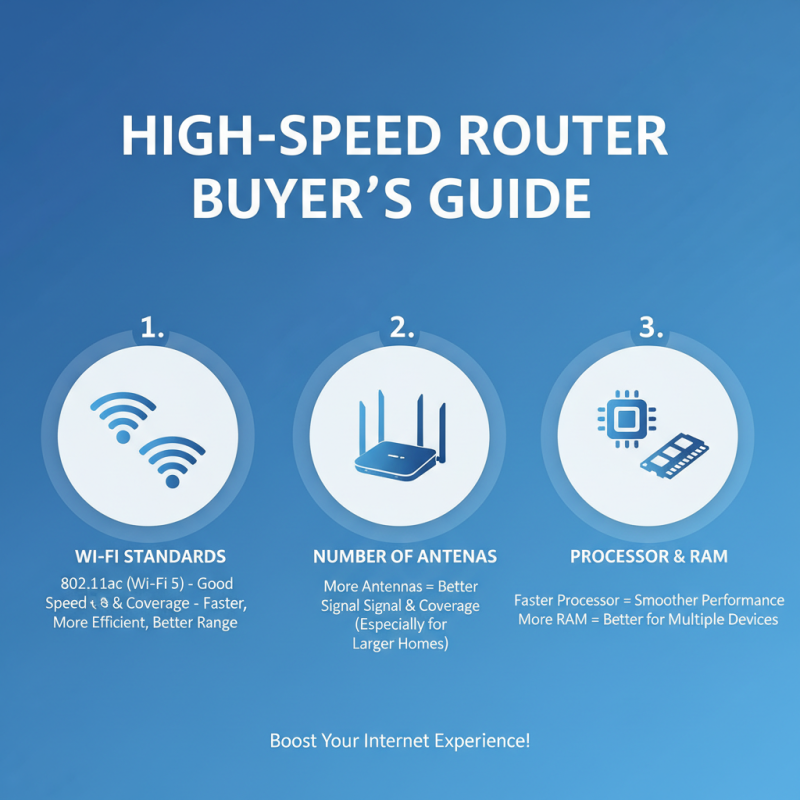
When choosing a high-speed router, several factors come into play. First, consider the Wi-Fi standards supported by the router. Most modern routers support 802.11ac or 802.11ax. These can significantly impact your internet speed and coverage. Moreover, the number of antennas is crucial. More antennas often mean better performance, especially in larger homes.
Another important aspect is the router’s range. A router with a strong signal is essential for covering large areas. If you have many devices connected to your network, look for routers with MU-MIMO technology. This can help manage multiple connections efficiently.
Lastly, think about your internet usage patterns. If you stream videos, play games, or work from home, you may need a more powerful router. Reflect on your current setup. Are there dead zones in your house? Are the speeds sufficient for your needs? These questions can guide your choice.
Understanding Different Router Technologies and Standards
When choosing a high-speed router, it's crucial to understand various technologies and standards. Wireless standards like 802.11ac and 802.11ax define speeds and coverage. The newer 802.11ax, or Wi-Fi 6, offers improved capacity and efficiency, especially in crowded areas. If you have multiple devices, this standard can make a noticeable difference.
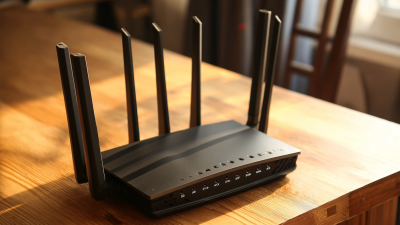
Range is another factor to consider. Some routers excel in large homes, while others suit small spaces better. Beamforming technology directs signals toward devices, enhancing connection quality. Some users may find that taller routers or those with more antennas provide better coverage. Yet, the actual performance can vary greatly based on your environment.
Security is often overlooked. Many routers come with built-in firewalls but may lack timely updates. This can leave networks vulnerable. Always check for the latest firmware. Investing time in understanding these aspects may be daunting, but it ensures you find a router that truly fits your needs.
Router Technologies and Their Speed Performance
This chart illustrates the maximum speed capabilities of different router technologies. As observed, newer technologies like 802.11ax and 5G NR provide significantly higher speeds compared to older standards like 802.11n.
Evaluating Your Internet Speed and Usage Needs
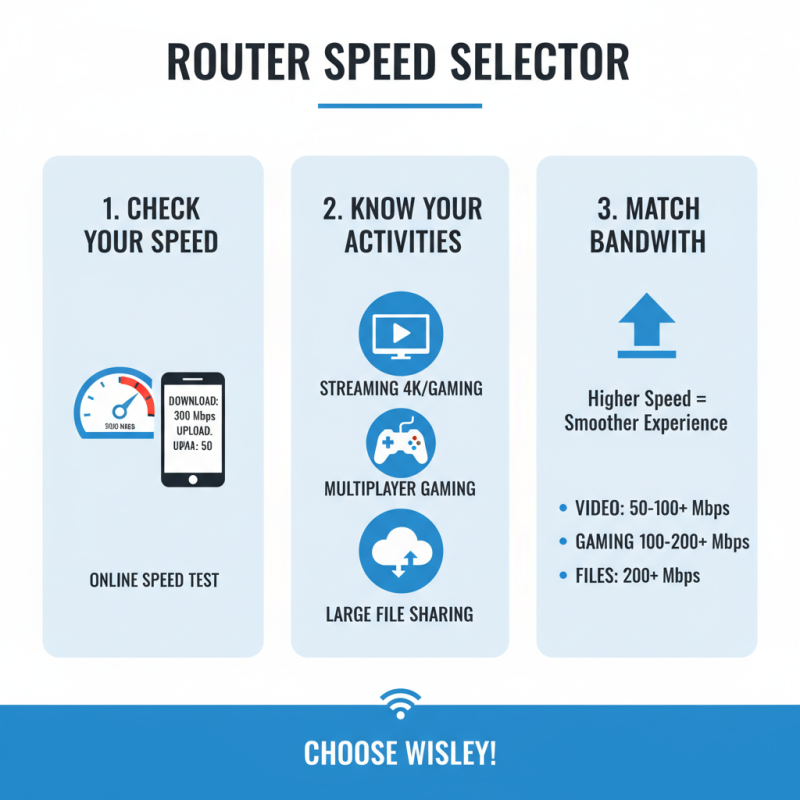
When choosing a high-speed router, understanding your internet speed is crucial. Begin by checking your current speed through a reliable online speed test. Note the download and upload figures. This information will guide your selection. Are you streaming videos? Playing online games? Maybe sharing large files? Each activity demands different bandwidth.
Consider your household’s usage patterns. If several users are online simultaneously, you need more power. A household with four people streaming video will require a stronger router than one with only two casual users. Wi-Fi range matters too. Thick walls can weaken signals.
Reflect on your future needs. Will you upgrade your speed soon? Choose a router that accommodates potential changes. Sometimes, an affordable option may seem appealing. Yet, if it cannot handle your needs, you'll face frustrations. Think about whether a good option now will last in the long run. Ignoring these factors can lead to dissatisfaction later.
Exploring Additional Features and Capabilities in Routers
When exploring routers, it’s crucial to focus on additional features beyond speed. Many users overlook security protocols. A router with advanced security features can protect against potential threats. According to recent studies, 70% of home networks lack such basic security measures. This makes selecting a router with WPA3 encryption vital for safeguarding personal data.
Another key aspect is the range of the router. Many models claim to cover large areas, but actual performance may vary. Users often find weak spots in their homes. Assessing the number of antennas can help; routers with more antennas typically offer better coverage. Furthermore, consider dual-band or tri-band routers. These options can efficiently manage multiple devices, especially in smart homes, which often have over 20 connected devices.
Additional capabilities like Quality of Service (QoS) features also deserve attention. QoS allows users to prioritize bandwidth for crucial applications. In a report by a leading tech research firm, 65% of users reported improved streaming and gaming experiences when using QoS. Yet, many individuals remain unaware of how to enable this feature. This lack of knowledge can prevent users from making the most of their high-speed routers.
How to Choose the Best High Speed Router for Your Needs?
| Feature |
Description |
Importance |
Recommended for |
| Wi-Fi Standards |
Look for routers that support the latest Wi-Fi 6 (802.11ax) standard for better performance. |
High |
High-speed Internet users, gamers |
| Dual-Band vs Tri-Band |
Tri-band routers provide an additional 5GHz band, helping to reduce congestion. |
Medium |
Multiple devices, larger households |
| MU-MIMO Technology |
Allows multiple devices to receive data simultaneously rather than sequentially. |
High |
Households with many smart devices |
| Quality of Service (QoS) |
Prioritizes network traffic for specific devices or applications. |
Medium |
Gamers, streamers |
| Security Features |
Look for WPA3 security protocol for enhanced privacy and protection. |
High |
All users |
| Range |
Consider routers with strong antennas or mesh capabilities for larger coverage. |
Medium |
Larger homes |
| Ethernet Ports |
Multiple gigabit ethernet ports for wired connections provide stability. |
Medium |
Home offices, gamers |
Comparing Router Brands and Customer Reviews for Informed Choices
When selecting a high-speed router, examining brands and customer reviews is essential. Studies show that around 81% of users consult reviews before making purchases. Analysis of consumer feedback often reveals patterns in performance, durability, and usability across different models. Customers frequently highlight their experiences with speed, coverage, and setup ease.
Many users express frustration with lag and disconnections. Reports indicate that poor signal strength is a common issue in urban areas. In densely populated regions, interference from neighboring networks can degrade performance. For instance, some routers claim high speeds but fail to deliver in real-world scenarios. A look through various platforms shows feedback often reflects these discrepancies, emphasizing the need for practical, user-centric evaluations.
It is also important to consider long-term reliability. A router may perform well initially but can falter over time. Customer reviews often reveal concerns about overheating or firmware issues after several months of use. By taking note of these details, prospective buyers can make more informed decisions and avoid common pitfalls. Assessing these factors will guide you toward a router that truly meets your needs.