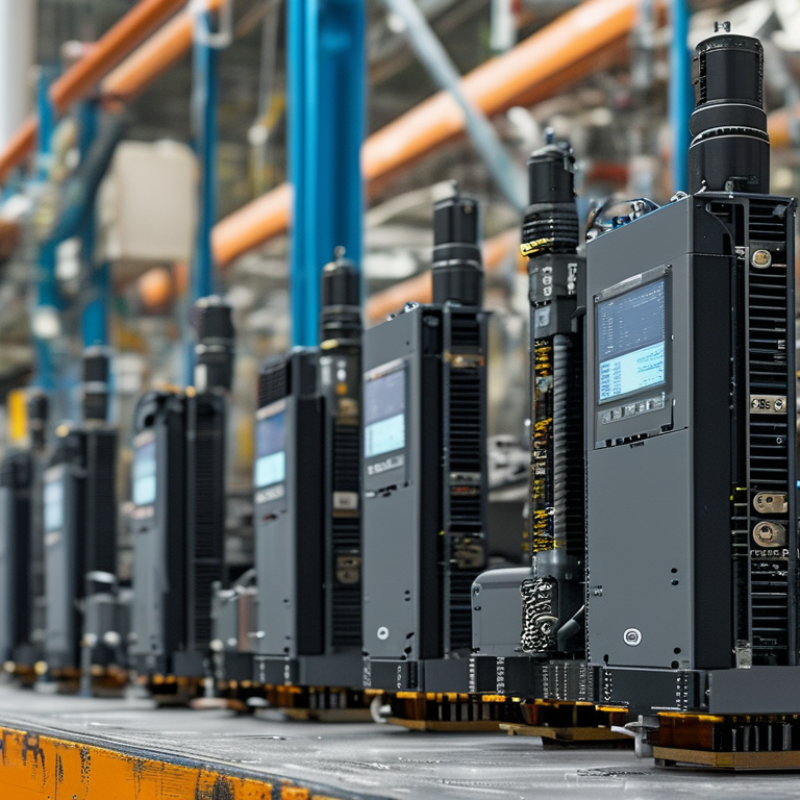
Why Choose an Industrial Router for Your Business Needs?
In today’s fast-paced industrial landscape, choosing the right technology is crucial. An Industrial Router is a key player in enhancing business connectivity. These routers offer robust, reliable, and secure networking solutions tailored for demanding environments.
Industrial Routers integrate seamlessly with various devices. They handle data traffic efficiently in factories, warehouses, and remote locations. The ability to maintain stable connections in harsh conditions is essential. This ensures uninterrupted operations, minimizing downtime and productivity loss.
Moreover, selecting an Industrial Router involves careful consideration. Not all routers can withstand extreme temperatures or vibrations. Businesses must assess their specific needs to find the right fit. A well-chosen Industrial Router not only enhances network performance but also aligns with future technological expansions.
Understanding Industrial Routers: Definition and Key Features
Industrial routers are vital components for modern businesses. They provide reliable connectivity in challenging environments. These routers are designed to operate in extreme conditions. For instance, they can function at temperatures ranging from -40°C to 75°C. This range allows them to support industries such as manufacturing and logistics.
Key features define industrial routers. They often include enhanced security protocols. According to a report by MarketsandMarkets, the industrial router market is projected to reach $8.5 billion by 2025. This growth reflects the increasing demand for secure and stable connections. Many industrial routers also come with dual SIM capabilities for redundancy. This means if one connection fails, the other takes over seamlessly.
Moreover, simplified remote management is a common feature. Businesses can monitor and control their networks without being onsite. However, some challenges remain. Integrating these routers into existing systems can be complex. The learning curve might be steep for teams unfamiliar with new technologies. Each implementation requires careful planning and execution. Ultimately, understanding these key features can help businesses make informed decisions.
Importance of Industrial Routers in Business Operations
Industrial routers play a crucial role in ensuring reliable communication in various industries. The following bar chart illustrates the key features that businesses prioritize when selecting industrial routers, highlighting their significance in operational efficiency.
Benefits of Industrial Routers for Business Operations and Efficiency
Industrial routers play a vital role in enhancing business operations. These devices provide reliable connectivity across various environments. Businesses benefit from stable internet access, crucial for real-time data transmission. With machine-to-machine communication becoming essential, industrial routers facilitate seamless interactions between devices. They ensure that information flows smoothly, reducing delays and enhancing productivity.
Moreover, industrial routers are built to endure harsh conditions. They often have protective housings against dust, moisture, and extreme temperatures. This durability means less downtime for businesses. However, companies must carefully assess their specific needs. Not every router fits every situation, and sometimes, cheaper options might lead to issues down the line. Regular updates and security checks are necessary to maintain reliable performance.
Incorporating industrial routers can optimize workflow. Employees can access critical systems remotely, streamlining operations. Data analytics from connected devices foster better decision-making. Yet, deploying these technologies requires a thoughtful approach. Understanding network configuration and ensuring staff training is crucial for maximizing benefits. Striking a balance between technology and user capability is essential for effective implementation.
Comparing Industrial Routers with Standard Routers for Industrial Use
When comparing industrial routers with standard routers, distinct differences emerge. Industrial routers are designed to withstand harsh environments. They offer superior durability, often featuring rugged casings and enhanced cooling systems. A study by Frost & Sullivan indicates that industrial routers have up to 80% more lifespan compared to standard routers, making them a reliable choice for critical operations.
Standard routers are typically built for office or home use. They may not have the necessary protections against dust, moisture, or extreme temperatures. Industrial routers often provide better security features as well. The International Journal of Information Security reports that industrial routers reduce the likelihood of cyber threats by up to 60%. This statistic underscores their importance in safeguarding sensitive data in manufacturing and logistics.
Latency is another vital consideration. Industrial routers usually have better performance in real-time applications. According to industry data, companies can experience a 30% increase in operational efficiency when using industrial-grade equipment. This improvement can significantly affect productivity in sectors such as manufacturing and transportation. Investing in industrial routers is not just about durability; it's about ensuring operational success in ever-demanding environments.
Key Factors to Consider When Choosing an Industrial Router
Choosing an industrial router is crucial for any business that relies on robust connectivity. One key factor is durability. Industrial routers are built to withstand harsh environments. They resist extreme temperatures, dust, and moisture. This resilience ensures uninterrupted operations, even in challenging conditions.
Another important consideration is connectivity options. A good industrial router should support multiple protocols and interfaces. This flexibility allows for seamless integration with existing systems. Additionally, security features cannot be overlooked. Businesses must ensure that their data is protected. Robust encryption and firewall options are essential to safeguard sensitive information.
Lastly, scalability matters. As your business grows, your network should adapt. A versatile router should accommodate increased data traffic and user demand. However, not every solution is perfect. Businesses must evaluate their specific needs and potential shortcomings of different routers. Reflecting on these factors can lead to a robust networking infrastructure.
Real-World Applications of Industrial Routers in Various Industries
Industrial routers play a crucial role across various sectors. In manufacturing, they facilitate real-time data exchange between machines and systems. This helps optimize production lines and reduces downtime. For example, a factory can monitor machinery performance remotely. If an issue arises, technicians can be alerted instantly. This proactive approach minimizes disruptions and increases efficiency.
In the transportation industry, industrial routers improve fleet management. They provide reliable communication for GPS tracking and vehicle diagnostics. A delivery service can ensure packages are routed efficiently. If a vehicle encounters technical problems, the management system can respond quickly. However, ensuring coverage in remote areas remains a challenge. Not all routers can maintain strong connections in every location.
Healthcare is another sector experiencing benefits. Industrial routers enable secure communication between medical devices. This automation leads to better patient monitoring and faster responses in emergencies. Hospitals can access vital information quickly. Nevertheless, issues with system integration can arise. Ensuring all devices are compatible can require significant time and resources.