China Best 5G Sim Router for Global Buyers How to Choose?
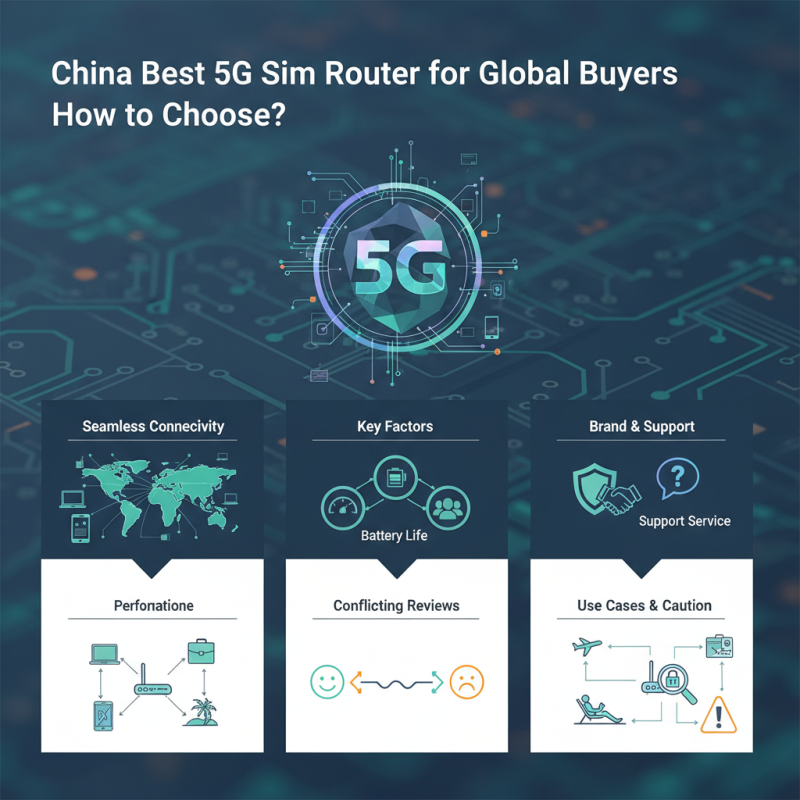
In the rapidly evolving tech landscape, the demand for seamless connectivity is paramount. A 5G SIM router represents a game-changing solution for global buyers seeking high-speed internet access anywhere. These devices combine mobile data capabilities with the flexibility of Wi-Fi, catering to both personal and professional needs.
Choosing the right 5G SIM router can be daunting. Buyers must evaluate crucial factors, such as performance, battery life, and user reviews. It’s essential to consider the reliability of the brand and the support service they offer. Navigating through various options may reveal conflicting reviews. Some may find a product excellent, while others have issues.
Ultimately, understanding specific use cases helps streamline the decision-making process. Whether for travel, work, or leisure, a well-chosen 5G SIM router enhances connectivity experiences significantly. However, potential customers must remain cautious and informed to ensure their investment leads to satisfaction.
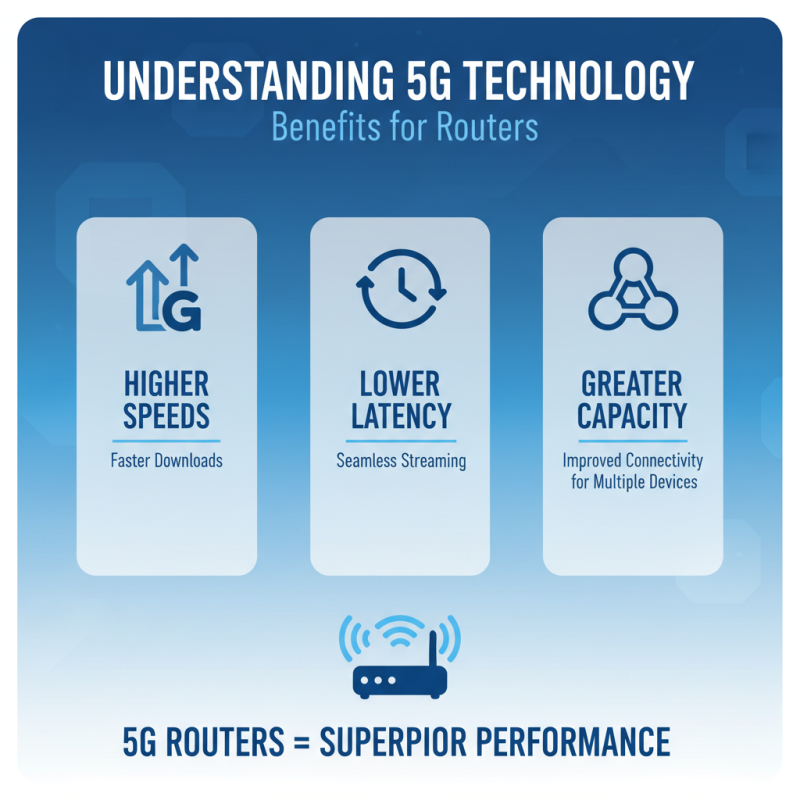
Understanding 5G Technology and Its Benefits for Routers
5G technology represents a leap in wireless communication. It offers higher speeds, lower latency, and greater capacity than previous generations. This is particularly beneficial for routers. Users can expect seamless streaming, faster downloads, and improved connectivity for multiple devices.
The enhanced capabilities of 5G routers can transform everyday experiences. For instance, smart homes can operate more efficiently. Devices can communicate much faster, leading to improved automation and control. However, there are limitations to consider. Availability of 5G networks can vary greatly. In some regions, coverage may be spotty, hindering the expected benefits.
With 5G routers, users gain the potential for advanced applications. Think about AR and VR experiences that require high bandwidth. Yet, it’s vital to understand each router’s specs and compatibility. Not all routers are made equal, and performance may differ significantly. Thus, careful consideration is necessary when choosing a 5G router for optimal results.
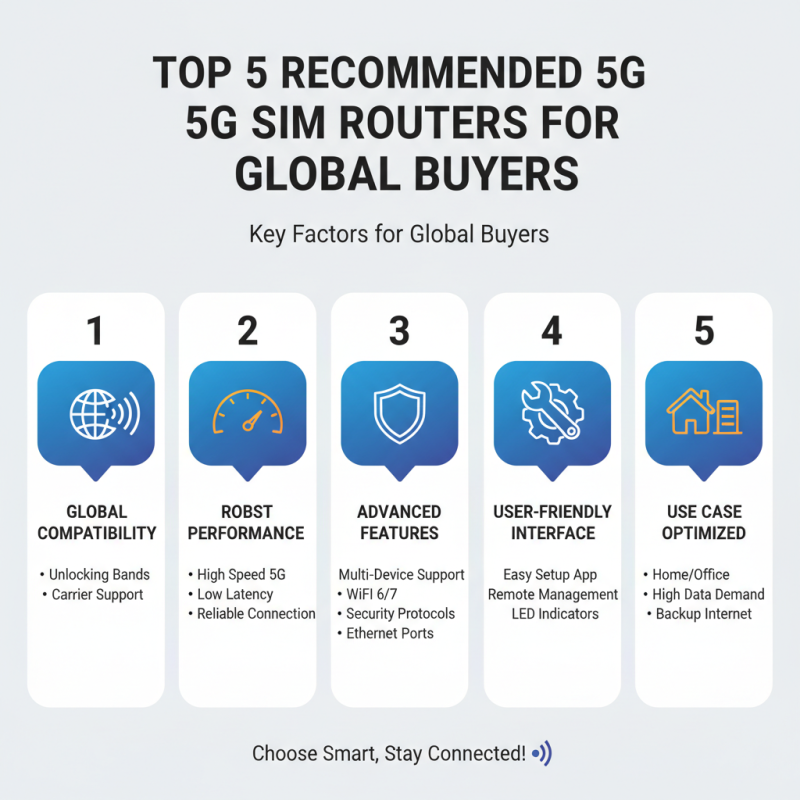
Key Features to Consider When Choosing a 5G SIM Router
When selecting a 5G SIM router, several key features deserve attention.
Connection speed is paramount. Look for routers that support
high data rates to ensure quick downloads and seamless streaming.
Latency is another crucial factor.
Lower latency means better responsiveness, which is vital for activities like gaming or video conferencing.
Portability is worth considering too. A lightweight model fits easily into a bag.
This flexibility is essential for travelers or remote workers.
Battery life plays a role as well. A longer-lasting battery
increases convenience, especially in locations without power sources.
Security features shouldn't be overlooked. Look for routers with advanced encryption protocols
to protect your data. Additionally, ensure the device supports multiple connections, which can benefit households or small offices.
Some models may struggle under heavy use, so check reviews for real-world performance insights.
Not every router can meet high demands, and that’s a gap worth investigating.
Comparative Analysis of Pricing and Performance of 5G SIM Routers
When exploring 5G SIM routers, pricing and performance are crucial factors. A variety of options exist in the market, catering to different budgets and needs. Higher-priced models often promise superior speeds and additional features. However, budget-friendly routers can still deliver reliable performance for everyday use.
Performance metrics must guide your selection. Look for routers with robust connectivity options and low latency. Test results often show that some mid-range devices handle streaming and gaming well, while others struggle. It's essential to read user reviews and compare real-world experiences.
Pay attention to the technical specifications. Bandwidth capabilities and supported 5G frequencies contribute to overall performance. However, a higher price tag does not always mean better performance. It may be beneficial to analyze performance reports critically. User feedback often reveals the strengths and limitations of different routers. In this way, you will be better equipped to make an informed decision.
User Experiences and Reviews of Popular 5G SIM Routers
When selecting a 5G SIM router, user experiences provide valuable insight. Many buyers report varying performance based on local network conditions and router specifications. A study by a leading telecom research firm indicated that 70% of users noticed improved speed with newer models, especially in urban areas. However, rural users often faced inconsistent connectivity, highlighting limitations in coverage.
Installation ease is another aspect users frequently discuss. Some routers come with simple setups, while others require technical knowledge. A survey revealed that 60% of users preferred routers that offer mobile app management. User reviews frequently mention the frustration of complex configurations. Many individuals found themselves referring to online forums for help, pointing to a need for better user guides.
Battery life is a critical factor in user satisfaction. Various models offer differing lifespans, influenced by usage patterns. According to industry statistics, routers with a 10-hour battery life received more favorable reviews than those lasting only 5 hours. However, self-reported experiences revealed that real-world usage often fell short of these claims. Many users experienced shorter durations under heavy use, raising questions about marketing accuracy and addressing actual consumer needs.
China Best 5G Sim Router for Global Buyers How to Choose? - User Experiences and Reviews
| Router Model |
Speed (Mbps) |
Battery Life (Hours) |
User Rating (out of 5) |
Price (USD) |
| Model A |
1000 |
12 |
4.5 |
199 |
| Model B |
1200 |
10 |
4.7 |
249 |
| Model C |
900 |
15 |
4.2 |
179 |
| Model D |
1100 |
8 |
4.6 |
220 |
| Model E |
950 |
14 |
4.3 |
199 |